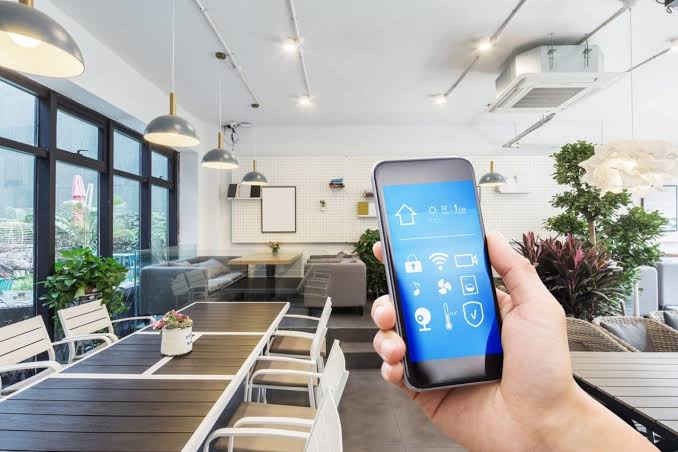
Technology has become an important part of everyday life, and its influence can be seen clearly inside modern homes. From smart devices and digital entertainment to better security and connected appliances, technology is changing how people use and manage their living spaces.
However, creating a modern home does not mean filling every room with expensive gadgets. The most useful technology is usually the technology that solves a real problem, saves time, or makes everyday routines a little easier.
The Rise of Connected Homes
Smart home technology has become more accessible in recent years. Devices such as smart lights, connected speakers, smart televisions, and automated appliances can communicate through home networks and give homeowners greater control.
For example, smart lighting can allow people to adjust lights conveniently, while connected appliances can provide useful information about their operation. These features may seem small, but together they can make certain daily tasks more convenient.
The important thing is to choose devices based on actual needs. Buying technology simply because it is popular can result in unnecessary expense and a collection of gadgets that rarely get used.
People interested in technology trends, digital tools, and modern innovations can explore TechAuthorityHub for more technology-focused ideas and information.
Technology Is Improving Home Security
Home security is another area where technology has made significant changes. Modern security systems can include cameras, motion sensors, smart locks, alarms, and doorbell devices.
These tools can help homeowners monitor their property and receive notifications when unusual activity is detected. Some systems can also allow users to check certain areas of their home remotely.
Of course, technology is not a replacement for sensible security habits. Strong passwords, secure networks, software updates, and careful control of device access are still important.
Better Entertainment at Home
Entertainment has also changed dramatically. Streaming services, smart televisions, gaming systems, wireless speakers, and other connected devices have made it easier to enjoy different types of content at home.
Instead of needing several separate systems, many modern devices can provide access to multiple entertainment options through a single interface.
Good organisation can make a difference here as well. Cables, remotes, speakers, and other accessories can quickly make a room look messy. Simple cable management and thoughtful furniture placement can keep entertainment areas looking cleaner.
Technology Can Support Energy Efficiency
Some modern devices can also help homeowners monitor and manage energy use.
Smart thermostats, connected lighting, energy-monitoring systems, and efficient appliances can provide better visibility into household consumption. This information may help people identify habits that are unnecessarily increasing energy use.
Even without advanced technology, simple actions such as turning off unused lights, maintaining appliances, and using natural light when possible can make a difference.
Technology works best when it supports sensible habits rather than encouraging people to depend on automation for everything.
Creating Comfortable Spaces
A modern home should not only be technologically advanced. It should also be comfortable.
Furniture placement, lighting, ventilation, colours, storage, and personal decoration all contribute to how a home feels. Technology should fit into this environment instead of dominating it.
For example, a television can be positioned to provide comfortable viewing without becoming the main visual focus of a room. Smart lighting can be used to create different moods, while wireless devices can reduce unnecessary cables.
The goal should be balance between convenience and comfort.
The Importance of Good Storage
As homes become more connected, the number of devices and accessories can increase quickly. Chargers, cables, remote controls, batteries, and small electronic accessories all need somewhere to go.
Good storage can prevent these items from creating unnecessary clutter. Dedicated drawers, shelves, storage boxes, and cable organisers can make a noticeable difference.
The same principle applies to traditional household belongings. A well-organised home generally feels easier to maintain because everything has a logical place.
For readers interested in homes, family spaces, interiors, and everyday household experiences, GharStories can offer another perspective on creating spaces that feel personal and practical.
Technology Should Make Life Simpler
One common mistake is adopting technology simply because it exists. A home can quickly become complicated when every device requires a separate application, account, password, or subscription.
Before adding a new device, homeowners should consider whether it genuinely solves a problem. If a simple manual solution works perfectly well, there may be no reason to replace it with a complicated smart system.
Technology should reduce friction, not create more of it.
Think About Privacy and Security
Connected devices collect and transmit information, so privacy deserves attention. Homeowners should understand what information their devices collect and how accounts are protected.
Using strong, unique passwords and enabling additional security features where available can help protect connected accounts. Devices should also be updated regularly because software updates may include important security improvements.
It is worth reviewing device permissions occasionally, especially when several people have access to a household’s technology.
Personal Style Still Matters
Technology can improve functionality, but personal style gives a home its identity.
Photographs, artwork, plants, books, furniture, colours, and other decorative choices can make a space feel unique. A home should not look like a technology showroom.
The best modern interiors often combine useful technology with comfortable furniture and personal details. This creates a space that feels both contemporary and lived-in.
Looking Toward the Future
Technology will continue to influence home design and everyday living. Devices are likely to become more connected, while automation may become easier for ordinary households to use.
But the basic idea will remain simple: technology should serve the people living in the home.
A comfortable chair, useful storage, good lighting, and a well-maintained room can be just as important as the newest smart device. The strongest homes will likely be those that combine practical technology with thoughtful design.
Modern living is not about having the most gadgets. It is about choosing improvements that genuinely make everyday life more convenient, comfortable, secure, and enjoyable.
Leave a Reply